Fiber and condition review
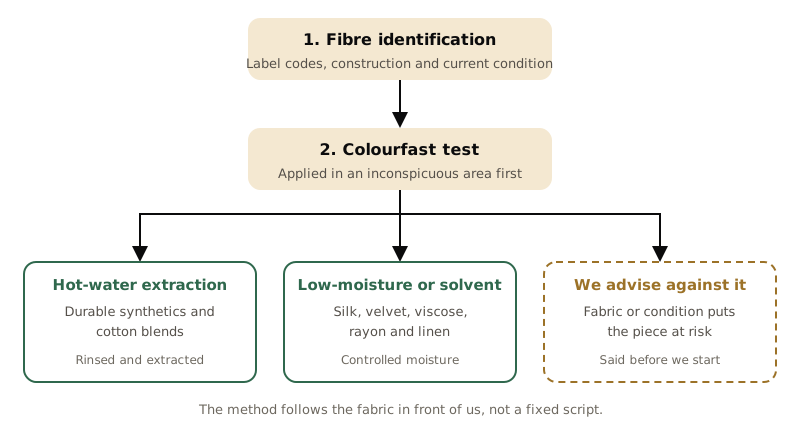
We identify the upholstery material and construction, check the manufacturer's cleaning code where one is present, and test for colorfastness in an inconspicuous area before cleaning anything visible.
Upholstery and furniture cleaning
Fiber identification and a colorfastness test come before anything wet touches the piece. $93.15 for an armchair, $165.60 for a three-seat couch, $248.40 for a large sectional, as planning estimates.
The method
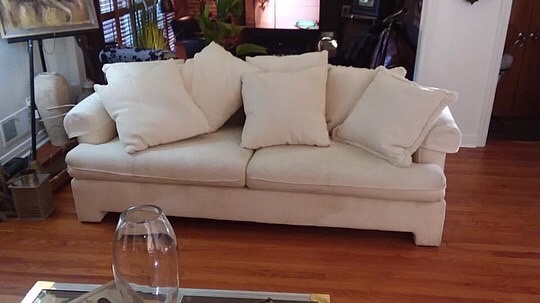
Your sofa is one of the most-used pieces of furniture in your home. Over time, body oils, food crumbs, pet hair, dust and spills work into the fabric and the cushioning beneath it. Vacuuming addresses surface debris; professional extraction reaches further into the fabric and padding than home equipment can.
DCA Cleaning Solutions cleans furniture across the Atlanta metro area, from loveseats in Lake City to large sectionals in Sandy Springs. The method we use is chosen after we look at the piece: hot-water extraction for many synthetic and cotton-blend fabrics, and a low-moisture or solvent method for materials that should not be wet cleaned.
What we cannot promise. Not every mark comes out. Permanent dye loss, bleaching, sun fading, ink, dye transfer from clothing or throws, wear on the fabric surface, and damage from prior cleaning attempts may not improve with cleaning. Some fabrics cannot be safely wet cleaned at all. If we believe the fabric or its condition puts the piece at risk, we tell you before starting rather than proceeding and hoping. Odor that has soaked into padding, subfloor, framing or a wall cavity is being fed by a source below the surface, and a surface clean will not end it. We tell you what we expect cleaning to achieve before we start, and we do not promise that any odor will be eliminated.
We stand behind the quality of our workmanship and will address concerns related to the agreed scope of service.
Planning estimate
There is one published rate card on this site and this is it — the same figures appear on the designer furniture page and inside the booking pages.
Your estimate is based on the information provided. Final scope and price are confirmed before work begins after dimensions, piece count, material condition and accessibility are reviewed. Sectionals with extra pieces, reclining mechanisms, loose-back cushions and heavy contamination can change the scope.
Step by step
We identify the upholstery material and construction, check the manufacturer's cleaning code where one is present, and test for colorfastness in an inconspicuous area before cleaning anything visible.
A pre-spray suited to the fiber loosens oils and body soil before extraction. Products are selected for the intended material and applied according to label directions.
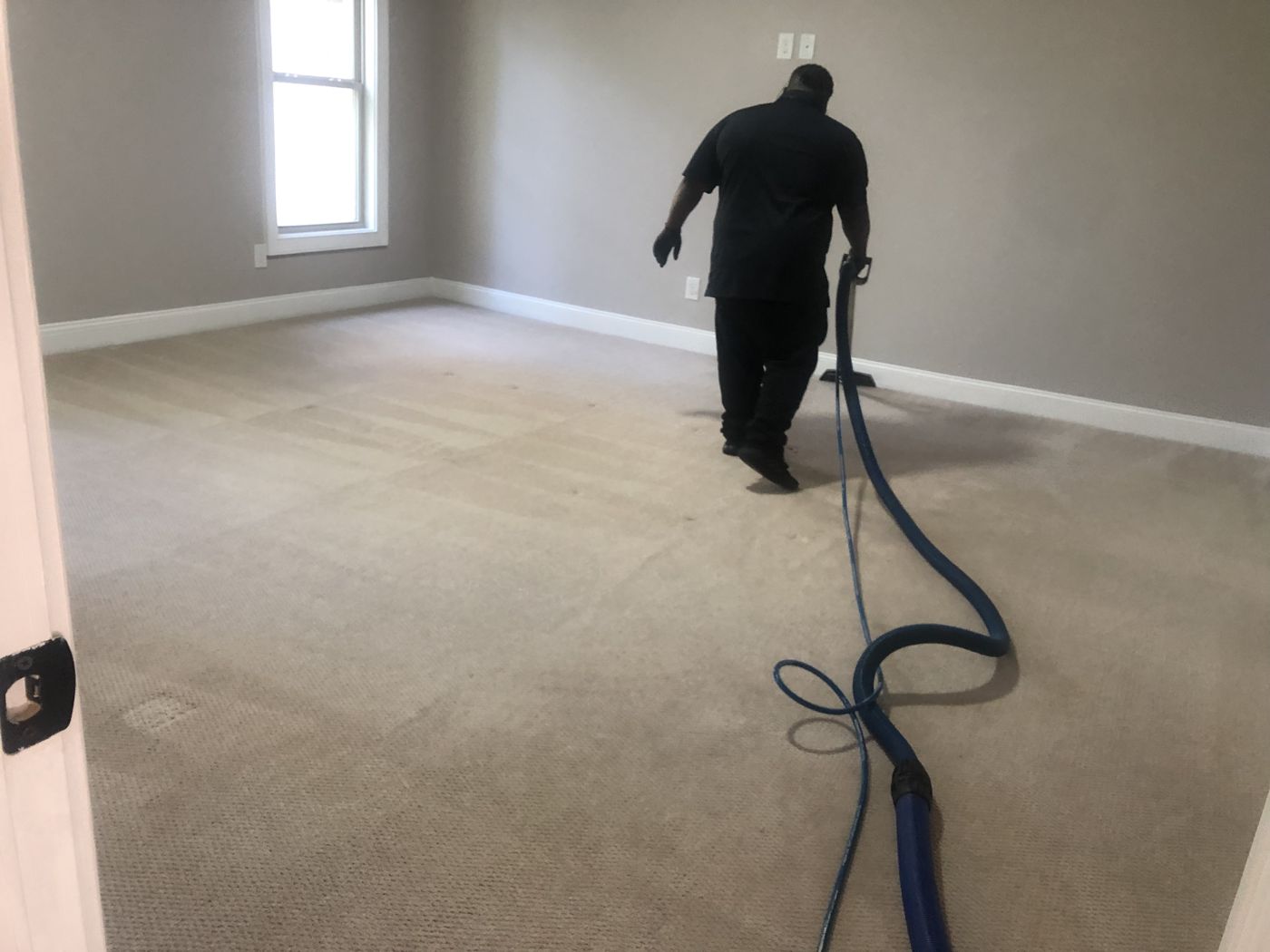
Truck-mounted hot-water extraction with adjustable temperature and moisture, or a low-moisture method where the fabric requires it, followed by extraction and rinsing.
Armrests, headrests, seat edges and high-contact areas receive extra attention where oils and soil concentrate.
Pet odor enzyme treatment, sanitizing treatment and fabric protectant are available as add-ons. The pile is groomed afterwards so it dries the way it was made to sit. Please tell us about children, pets, allergies or sensitivities before service.
Real DCA work
Every photograph on this site is from a DCA job, not stock photography.
What we clean
Delicate, designer, natural-fiber, unstable-dye, damaged or previously treated pieces may need a modified method, a specialist referral, or a recommendation against cleaning. See the designer furniture page.
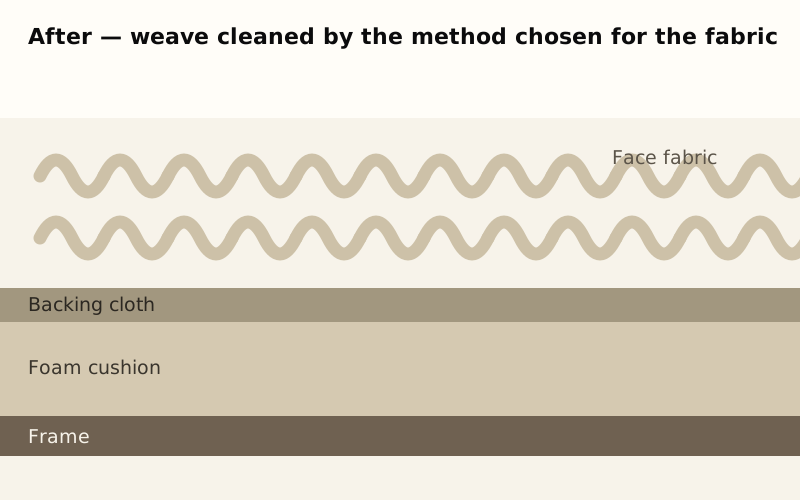
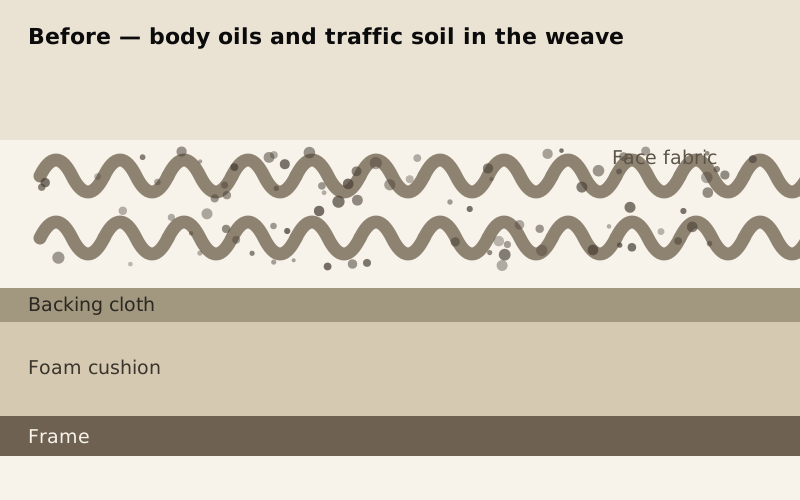
Extraction lifts settled soil out of the fabric and the top of the cushions, and the pile is groomed afterwards so it dries the way it was made to sit.
Food spills, body oils and traffic soil often improve substantially with professional treatment. Permanent dye loss, bleaching, fading and fabric wear will not, and we say so before we start.
Embedded grit and oils accelerate fabric wear. Periodic professional cleaning removes them. Useful furniture life still depends on construction, use and fabric quality.
Pre-treatment and spotting products may be applied based on the fabric and its condition, then extracted and rinsed, according to label directions. Tell us about children, pets, allergies or sensitivities before service.
Reviews and references
No rating, review count or customer quote appears anywhere on this site unless it can be verified and traced to the platform the customer left it on. Nothing on this page is a testimonial. Reviews customers leave on our Google Business Profile are the ones we point to, and this page explains how to find them.
If you would like to hear from previous customers before you book, call (404) 716-2720 and ask for references — we will put you in touch with recent local customers who have agreed to be contacted, along with the type of work performed.
Upholstery cleaning FAQ
Planning estimates are $93.15 for an armchair or recliner, $165.60 for a standard three-seat couch and $248.40 for a large sectional. Sectionals with additional pieces are priced by piece count. Final scope and price are confirmed before work begins after dimensions, piece count, material condition and accessibility are reviewed. Contact us for quotes on specialty furniture.
Some fabrics cannot be wet cleaned, which is why each job begins with a fiber and condition review and a colorfastness test in an inconspicuous area. Hot-water extraction suits many synthetic and cotton-blend fabrics. Silk, velvet, viscose, rayon, linen and some dry-clean-only or solvent-only fabrics require a low-moisture or solvent method, and some pieces cannot be safely cleaned at all. If we believe the fabric or its condition puts the piece at risk, we tell you before starting rather than proceeding.
No. The method is accurately described as hot-water extraction with pre-treatment and spotting products selected for the fabric, then rinsed and extracted. Anyone advertising cleaning with water alone is either using products and not saying so, or accepting a much poorer result.
Drying time depends on the fabric, cushion and padding thickness, the amount of moisture the method requires, humidity and airflow. Many pieces are dry to the touch within several hours, while thick cushions and humid conditions take longer. Good ventilation and air circulation help.
Cleaning removes much of the surface pet hair, dander and settled dust on the fabric. Enzyme treatment ($65.00) is designed to address many common organic odor sources. Results depend on contamination depth, cushion or padding involvement, material condition and prior treatments. Odor that has soaked into padding, subfloor, framing or a wall cavity is being fed by a source below the surface, and a surface clean will not end it. We tell you what we expect cleaning to achieve before we start, and we do not promise that any odor will be eliminated.
No. A sanitizing treatment is an optional application to compatible surfaces according to the manufacturer's EPA-registered label directions, and we make no claim beyond that label. It is not a medical or health treatment and it is not mold remediation.
Where we work